Blog
Notes on building software that gets found
Practical takes on apps, AI, and getting a business online, from the people who actually build it.
-
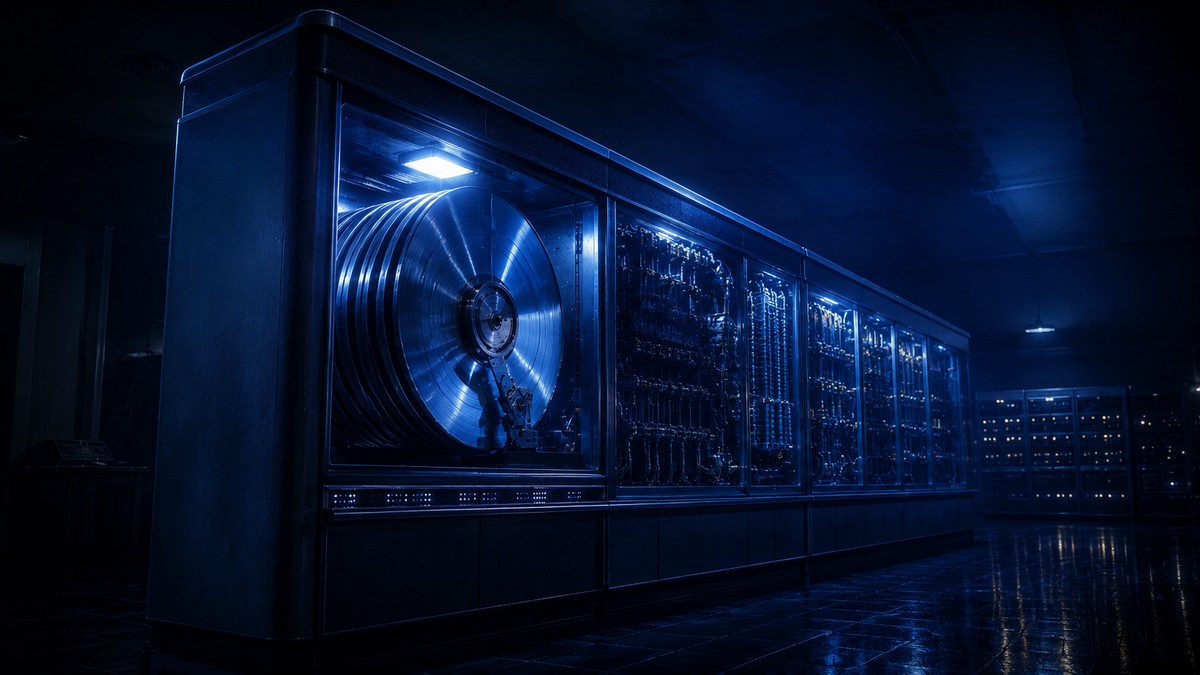
The First Hard Drive Weighed Nearly a Ton
Take a guess. How much do you think the world’s first hard drive weighed? A few pounds? The heft of an old desktop tower? Something you could lift with one hand and carry across the room? Try close to a ton. The first hard drive was a machine you moved with a forklift and shipped… Read more
-

What Nintendo Made Before Video Games
Say the word Nintendo and your brain fills in the rest instantly. Mario, Zelda, the Switch, that little jingle when a console powers on. It feels like a company born from the video game era, native to screens and controllers. Except Nintendo is over a hundred and thirty years old, and it started out making… Read more
-

The Bluetooth Symbol Is Secretly a Viking King
Look at the Bluetooth symbol on your earbuds, your speaker, your car dashboard. That little jagged blue icon you see a dozen times a day. You have probably never given it a second thought. But it is literally a thousand-year-old king’s initials. Not a stylized B. Not an abstract wireless swoosh. The actual initials of… Read more
-

Where the Word ‘Robot’ Actually Comes From
You say the word robot without a second thought. Factory arms, vacuum discs, sci-fi androids, the little machine that mows a lawn. But the word itself is over a hundred years old, and its roots are a lot darker than the friendly gadgets you picture. Robot literally means forced labor. Not helper, not assistant, not… Read more
-

Who Wrote the First Computer Program? (In 1843)
Picture writing software today, but for a machine that doesn’t exist yet. No screen, no keyboard, no processor humming under your desk. Just a design on paper and a hunch that it could work. That is exactly what happened in 1843, and the person who did it was Ada Lovelace. The first computer program was… Read more
-

The Surprising History of WiFi: Microwaves, a Movie Star, and Black Holes
The next time your video call stutters the exact second someone starts the microwave, you are not imagining it. Those two machines are quietly at war, and they are fighting over the same tiny slice of the radio spectrum. That squabble in your hallway is just the surface of one of the stranger origin stories… Read more
-

How 34 People Built the First Supercomputer and Beat IBM
In 1963, the biggest name in computing was IBM. It had the money, the factories, the sales force, and the reputation. So when a small company in Minnesota called Control Data Corporation shipped a machine that ran several times faster than anything IBM had, it did not just embarrass the giant. It rewrote what people… Read more
-

The QWERTY Keyboard Was Not Designed to Slow You Down
You have almost certainly heard the story. The QWERTY keyboard, the one you are probably typing on right now, was supposedly designed to slow typists down. The reasoning sounds clever enough to be true: old mechanical typewriters had arms that swung up to strike the paper, and if you typed too fast the arms would… Read more
-
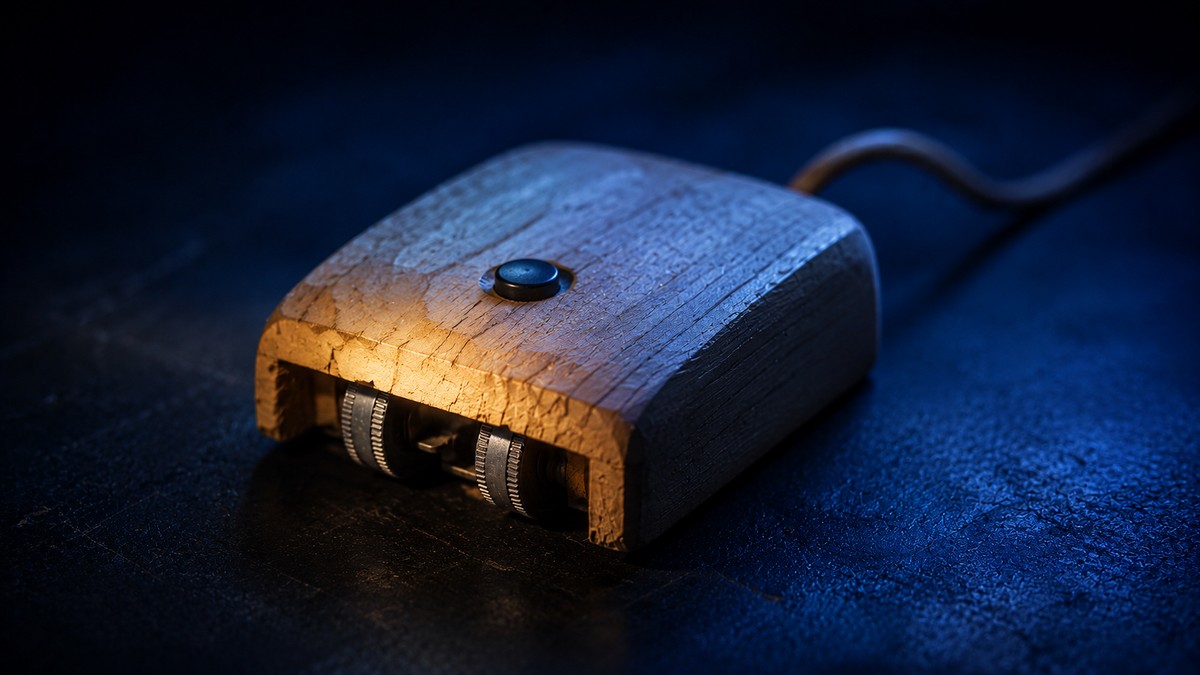
Why Is It Called a Computer Mouse? The 1964 Origin Story
You move it a few hundred times a day without thinking twice about the name. A mouse. A small plastic thing that clicks and scrolls and somehow earned the same label as a rodent. It sounds like the kind of word a marketing team agonized over for months, but the truth is much better than… Read more
-

Your Power Button Is Secretly a 1 and a 0
Look down at almost any device you own and you will find the same little symbol stamped near the power button. A circle with a small line poking through the top. You have pressed it thousands of times without ever wondering what it means. Here is the fun part. That symbol is not random art.… Read more
-
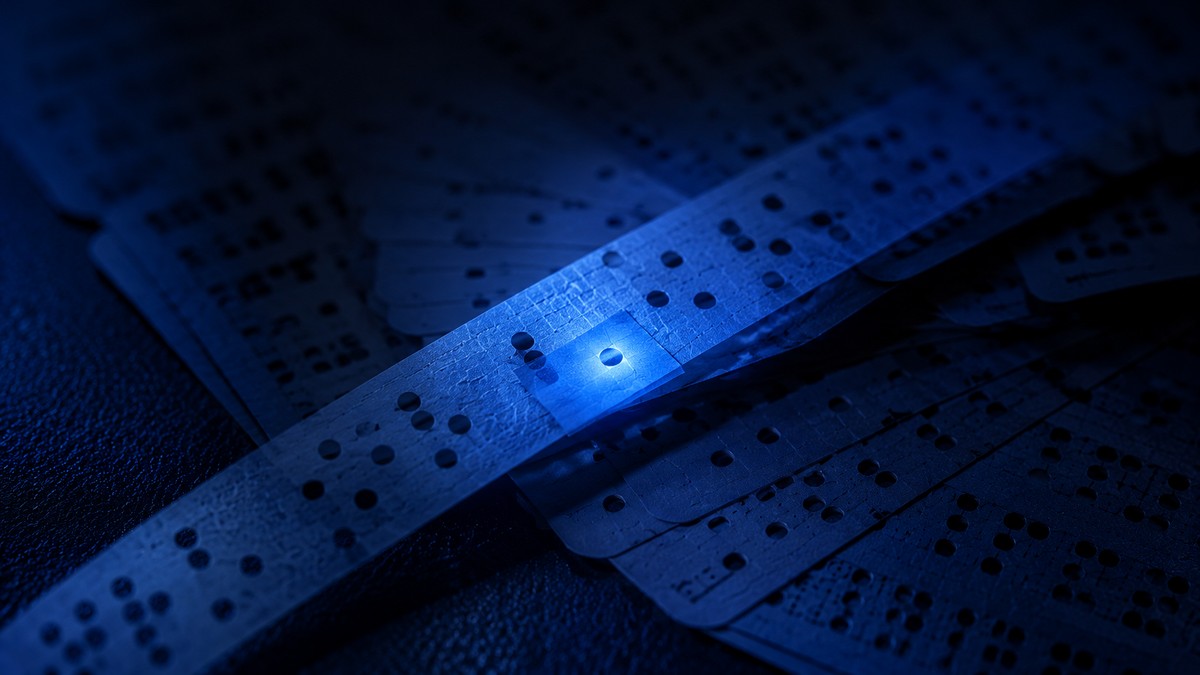
Why It’s Called a Software Patch (It Was Once Real Tape)
Every time your phone buzzes with an update and tells you a “patch” is ready, you are using a word that started with actual tape. Not a metaphor, not a clever bit of branding. Real, physical tape stuck over real, physical holes. The name has survived decades of progress, outlived the machines that inspired it,… Read more
-
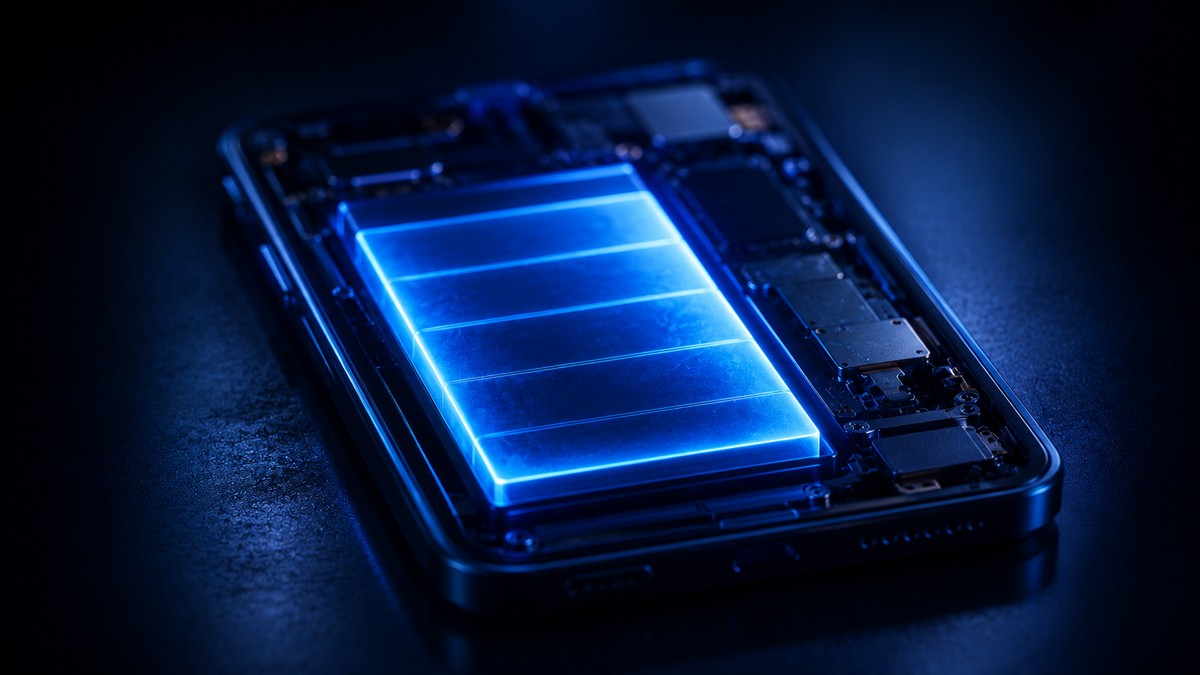
Why Your Phone’s Battery Percentage Is a Guess
Your phone tells you the battery is at 64 percent, and you believe it. Why wouldn’t you? It is a precise little number, right there at the top of the screen. But here is the strange truth: your phone has no way to directly look inside the battery and count how much charge is left.… Read more
-

Remap Your Caps Lock Into a Hyper Key (And Never Touch the Arrow Keys Again)
Look at your keyboard for a second. There is a fat key sitting on the left edge, right under your pinky, that you almost never press on purpose. Caps Lock. When was the last time you actually needed to type a full line in capitals? For most people the honest answer is “basically never,” which… Read more
-

How to Build Your First App Without Wasting Money
Most first apps do not fail because the team ran out of talent. They fail because the money ran out before the app ever found out whether anyone wanted it. You spend on every feature you imagined, every screen you sketched, every nice-to-have someone mentioned in a meeting, and then the budget is gone and… Read more
-

The 5 Levels of Building With AI (Most People Never Leave Level 1)
Most people who use AI every day are stuck on the same rung of the ladder, and they have no idea there’s a ladder at all. They open a chat window, ask a question, get an answer, and close it. That’s useful, but it’s the ground floor. The real gains start when you stop treating… Read more
-

The Side Project That Paid the Rent
There is a particular kind of tired that comes from watching the same month arrive again, heavier than the last one. I knew it well. I was not trying to build a company or chase some big exit. I just wanted the month to stop feeling so heavy. So one night, instead of refreshing a… Read more
-

The Thing Nobody Wanted: What a Quiet Failure Taught Me About Building
I spent a whole year of nights building something I was certain the world wanted. I sketched it, refined it, and polished the corners nobody would ever see. I was proud of the work. It was good. And when I finally opened the doors and waited for people to walk in, the room stayed empty.… Read more
-

I Built an AI That Makes My YouTube Videos for $0: How It Actually Works
You have probably seen the promise a hundred times by now: feed an AI a topic, walk away, and come back to a finished video ready to post. It sounds like magic, and it sounds like nonsense, and the truth sits somewhere in the middle. So I built one. A faceless YouTube pipeline that takes… Read more