Look at any email address and there it is, sitting quietly in the middle: the @ symbol. You type it without a second thought, billions of times a day across the world. But that little symbol was once one of the loneliest keys on the keyboard, a character almost nobody used for anything. Its rescue is one of the more charming accidents in the history of technology.
The whole thing came down to one programmer, one practical problem, and a quick glance at a keyboard in 1971. He needed a symbol, and he picked the one that was just sitting there gathering dust.
The problem nobody had solved yet
In 1971, a programmer named Ray Tomlinson was building the first system to send messages between different computers. This was new territory. Before this, you could leave a message for someone on the same machine you were using, but sending one across to a person on a separate computer was uncharted ground. Tomlinson was figuring out how to make that work.
He hit a very specific snag. To route a message, he needed a way to write an address that clearly split two things apart: the name of the person, and the name of the machine they were on. He needed a single character to sit between them and mean “this person, located at this computer.” And it had to be a character that would never, ever show up inside someone’s actual name, or the whole address would fall apart.
The loneliest key on the board
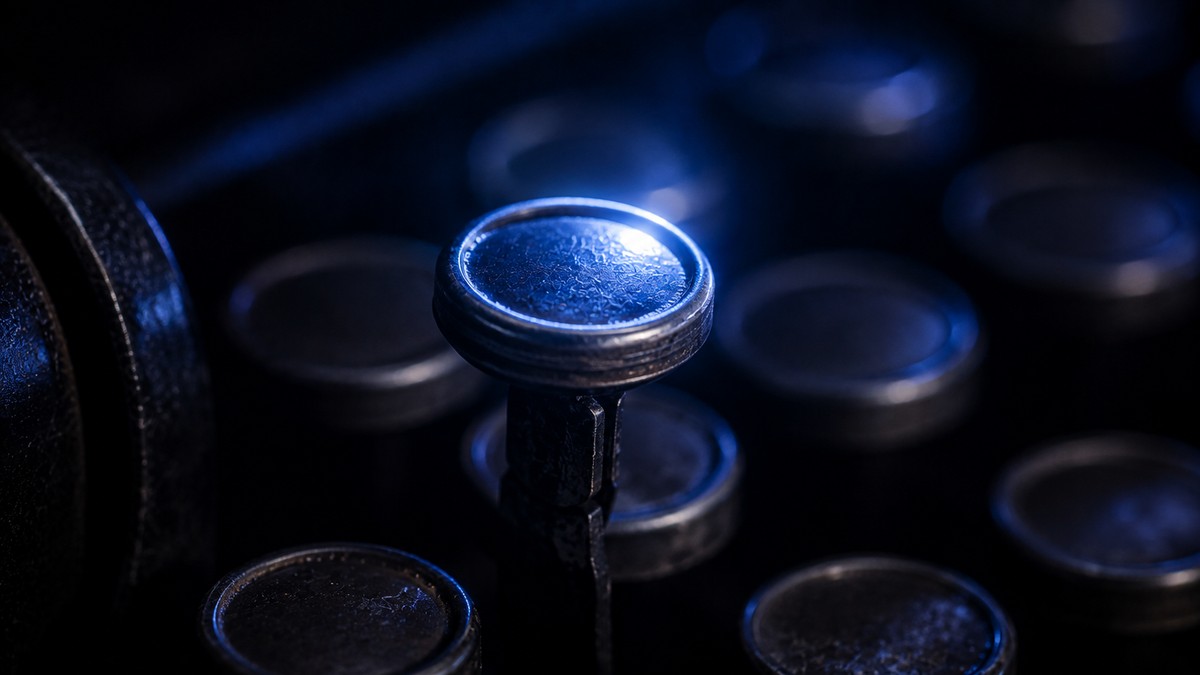
Tomlinson glanced down at his Teletype keyboard, scanning for a character that fit the bill. His eye landed on the @ sign. It was almost perfect. Hardly anyone used it. It was mostly ignored, a leftover key with no real job in day-to-day typing, which meant it would never get confused with a letter in a person’s name.
Even better, it already carried the right meaning in plain English. The @ symbol was old shorthand for “at,” commonly seen in commerce for things like pricing. So an address reading “person @ computer” quite literally said “this person at this computer.” The symbol did not need to be taught a new meaning. It already said exactly what Tomlinson needed it to say. He grabbed it, and email addresses have used it ever since.
From forgotten to unforgettable
Think about the reversal here. The @ symbol went from being one of the most neglected characters on the keyboard to one of the most typed symbols in human communication, and it happened because of a single practical choice by one person solving one routing problem. There was no committee, no branding exercise, no debate. Just a developer picking the most sensible tool within reach.
That is often how the most permanent decisions in tech get made. Not with fanfare, but with a quiet “this one will work” in the middle of building something. Tomlinson almost certainly had no idea he was setting a global standard that would still be going strong more than fifty years later. He just needed a character that would not cause problems, and the loneliest button on the board turned out to be the answer.
The right small decision, made early
The @ story is a favorite around here because it captures something true about building software: the smallest, most practical choices often matter the most. Picking the right separator, the right structure, the right simple convention early on can quietly shape a product for decades. Get those little foundations right and everything on top of them just works.
That attention to the unglamorous details is a big part of what we do at Built by Buit. Good custom app development is full of small, sensible decisions that users never notice but absolutely depend on. Ray Tomlinson picked a lonely key in 1971, and the entire world has been typing it ever since. Not bad for a quick glance at a keyboard.
Prefer to watch?
Built by Buit builds practical apps and AI tools for businesses across South Florida. See what we make, or start a project.
Leave a Reply