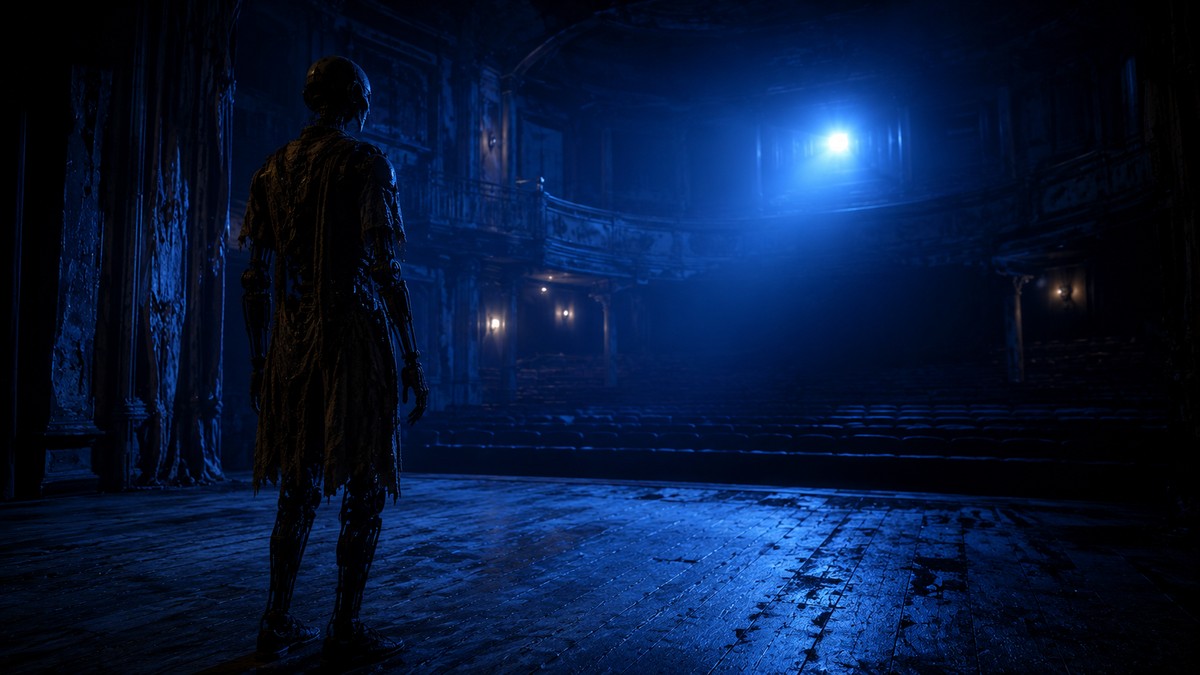
You say the word robot without a second thought. Factory arms, vacuum discs, sci-fi androids, the little machine that mows a lawn. But the word itself is over a hundred years old, and its roots are a lot darker than the friendly gadgets you picture.
Robot literally means forced labor. Not helper, not assistant, not clever machine. Forced labor. And the story of how it entered our language is one of those origins that changes how you hear the word forever.
Born in a Czech play about artificial workers
The word comes from a 1920 Czech play called R.U.R., which stands for Rossum’s Universal Robots, written by Karel Capek. He needed a name for artificial workers built to serve humans, machines created specifically to do our labor for us.
So he reached for something with the right weight to it. He borrowed from the Czech word robota, which means forced labor. Not just any work, but the grinding, compulsory kind. It described the drudgery that serfs were once made to do for their masters, the unpaid toil you had no choice about.
Put that together and robot literally means forced worker. Capek was not naming a cute helper. He was naming a class of manufactured beings built to serve, and he chose a word that carried the full weight of that arrangement. When you know that, the word lands differently, doesn’t it.
The brother who named an industry
Here is the twist most people never hear. Capek almost called them something else entirely. His first instinct was to name the artificial workers labori.
It was his brother, Josef Capek, who suggested roboti instead. One word, from one brother, in one conversation. And that single suggestion gave us the name for every android, every factory arm, every machine we now call a robot.
Think about how much rides on that small moment. If Josef had stayed quiet, we might be talking about laborics and labotics right now. Whole industries, entire fields of research, countless movies and books would carry a different name. The vocabulary of an entire future got decided by a brother’s offhand suggestion during the writing of a play.
A dark word for machines we now trust
There is something a little uncomfortable and a little poetic about the fact that the word for our most helpful machines started as the word for forced, joyless labor. The whole point of a robot, in Capek’s play and in our lives, is to take on the work humans would rather not do.
That original meaning has quietly followed the word everywhere it has gone. Every time a machine handles the repetitive, exhausting, grinding task so a person does not have to, it is living up to its name in the most literal way. The drudgery moved from human hands to mechanical ones.
The word carries its history with it, even when we have completely forgotten that history. It is a hundred-year-old reminder embedded in a term we use casually every day.
The history behind what we build
At Built by Buit, we think about this a lot, because the whole point of good software is the same idea Capek was writing about back in 1920: taking the grinding, repetitive work off a human’s plate. The best tools are the ones that quietly handle the robota so you can spend your time on the things only a person can do. When we take on custom app development, that is usually the real goal underneath the request.
So the next time you call something a robot, remember it came from a Czech play, a word for forced labor, and a suggestion from a playwright’s brother. One word, one conversation in 1920, and it named the future. Not bad for a term nobody expected to outlive the play it appeared in.
Prefer to watch?
Built by Buit builds practical apps and AI tools for businesses across South Florida. See what we make, or start a project.
Leave a Reply